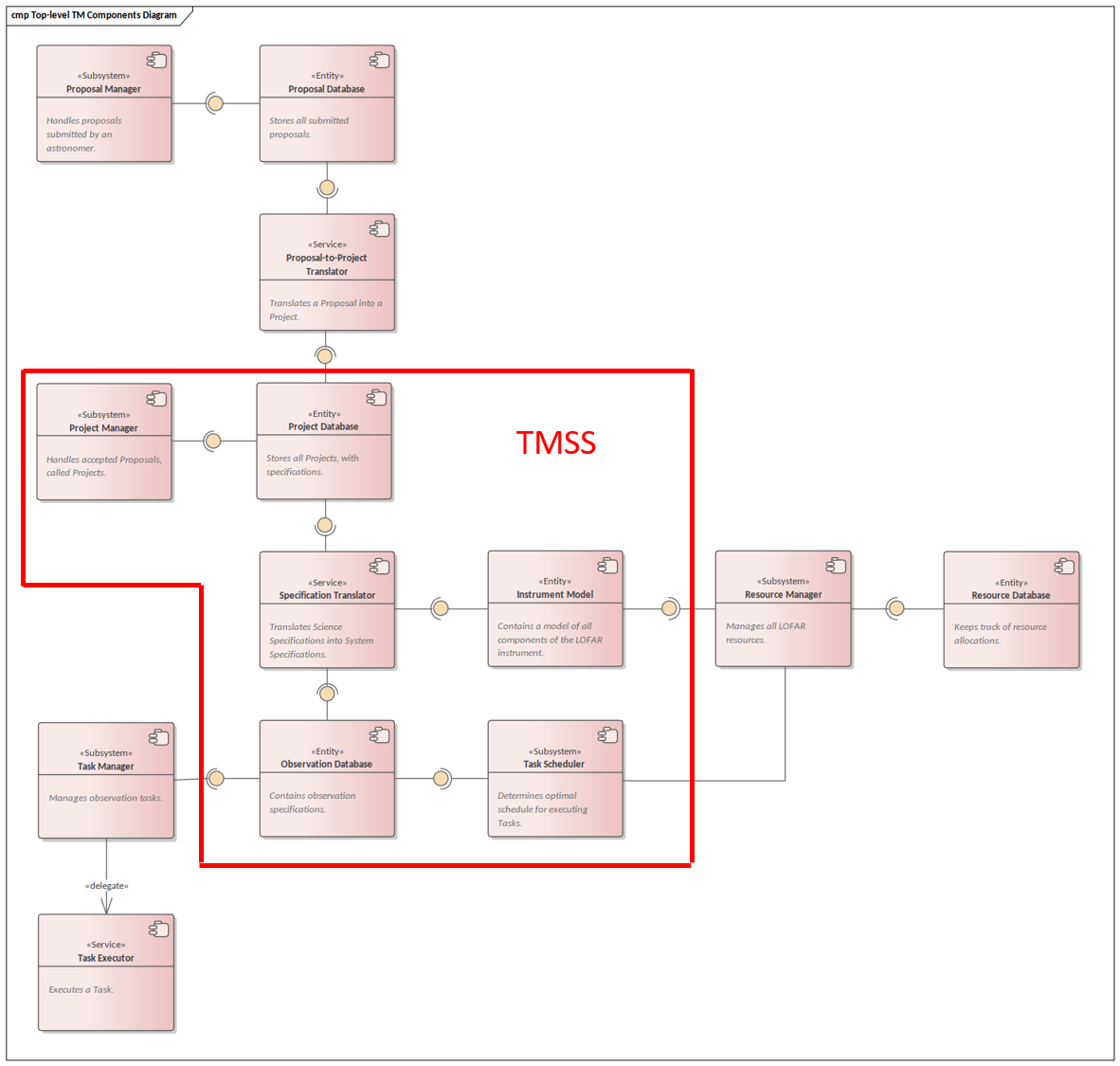
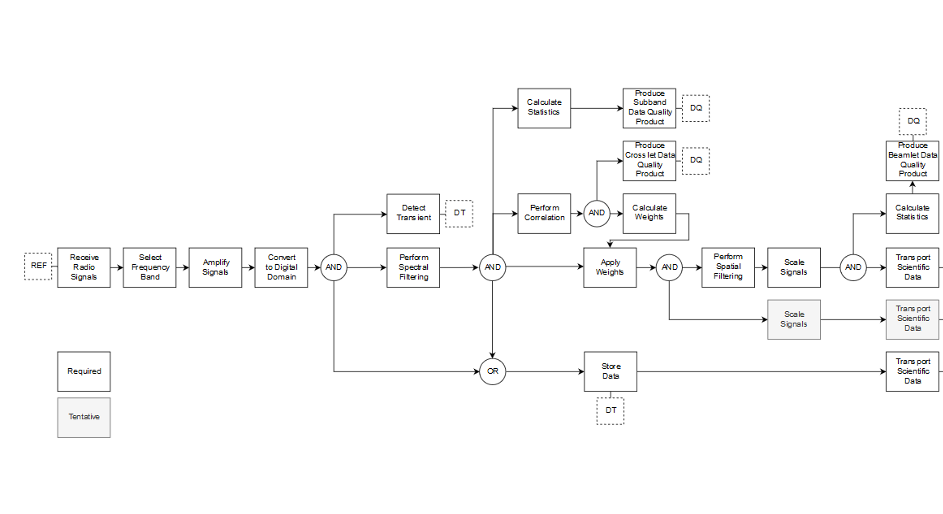
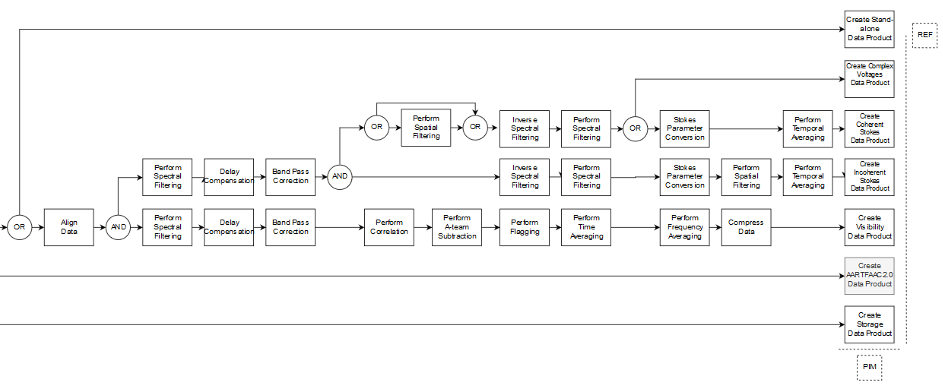
TMSS (Telescope Manager Specification System) is developing a new software application for the specification, administration, and scheduling of LOFAR observations. This is crucial, as the current LOFAR toolchain is slowing down LOFAR innovations. A lack of automation in the operation and maintenance of LOFAR currently demands high levels of support and the current software design makes new software expansions expensive to realise.
Rebuilding the current software with a new design and new technology will have important benefits:
- Support for LOFAR2.0 use cases;
- More efficient LOFAR operations;
- Improved adaptability and maintainability of software to be able to realise its extensions.
TMSS is part of the Telescope Manager of LOFAR2.0, the system that will control all aspects of the telescope, including proposal handling, observation execution, and system monitoring.
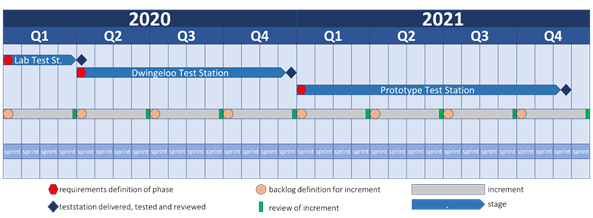
By the end of 2020, TMSS will deliver with high priority the software components for executing the LOFAR Survey Use Cases. By doing that, the project will implement also other LOFAR Science Use Cases, which will ensure a healthy continuation of the Cycle observing programs also before the start of the LOFAR2 surveys.
The TMSS project started in January. The development of TMSS is realised using an agile approach, where product features are planned and realised in three-weekly sprints. Additionally, a quarterly cycle has been introduced. The objectives of each cycle are set to realise specific system enhancements in well-defined areas. The first quarter will implement the TMSS foundations: telescope model and database. During the first two sprints we have successfully delivered the login interface and the specification system for DUPLLO Imaging Survey observations. During the first Cycle, the system will be further enhanced to perform the survey observations with the required handling of and feedback on system resources. The following cycles will implement dynamic scheduling functionality, support for the other planned use cases and responsive telescope functionality.